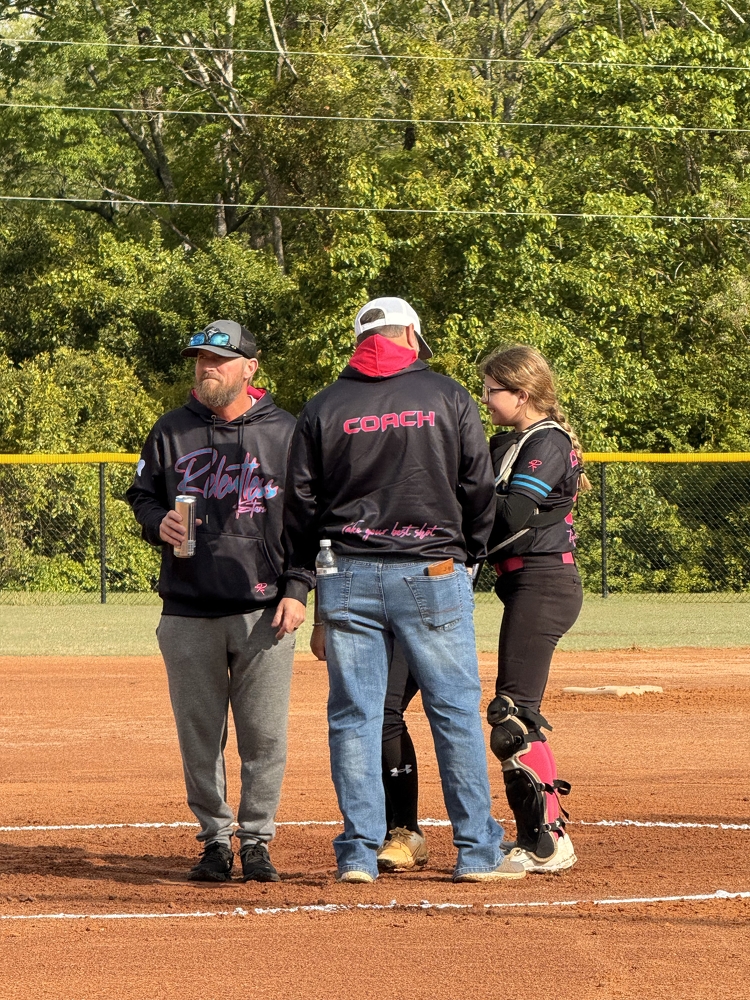
Why Certain Players End Up at First, Second, Shortstop, Third, Pitcher, and Catcher
If you watch a great softball team play, it can almost look effortless. The shortstop glides to a ground ball and fires a strike to first. The catcher controls the entire game with confidence. The pitcher dominates the circle while the corners protect the lines like brick walls.
But none of that happens by accident.
Softball coaches spend years learning how to build an infield that works together. Every position has a different responsibility, different skill set, different personality type, and different level of pressure. Coaches are constantly evaluating players to decide who fits where best.
A lot of young players think positions are chosen randomly or based only on who wants to play there. That is not how competitive softball works. Coaches carefully place girls in certain positions because they believe those players give the team the best chance to succeed.
In this post, we are going to break down exactly how softball coaches build their infield, what kind of athlete usually plays each position, and why certain girls are trusted at first base, second base, shortstop, third base, pitcher, and catcher.
The Goal of Building a Great Infield
Before coaches assign positions, they first think about one thing:
How can we stop runs?
Defense wins softball games, especially at higher levels. Great offensive teams can still lose if they cannot make routine plays defensively.
A coach building an infield wants:
- Reliable defenders
- Smart players
- Strong communication
- Fast reaction times
- Leadership
- Consistency under pressure
The best infields are balanced. Every player complements the others.
For example:
- A strong shortstop can cover extra ground for a slower second baseman.
- A vocal catcher can calm down a nervous pitcher.
- A quick third baseman can protect against bunts and hard-hit balls.
- A tall first baseman can save the entire infield from throwing errors.
Every piece matters.
Why Coaches Put Certain Girls at Certain Positions
One of the biggest mistakes parents and young players make is assuming every position is equal.
They are not.
Some positions require:
- More arm strength
- Faster reaction time
- Better softball IQ
- More leadership
- More athleticism
- More confidence under pressure
That does not mean one player is “better” than another. It simply means coaches are matching skill sets to responsibilities.
Think of an infield like a puzzle. Coaches are trying to find where every player fits best.
First Base: Why Coaches Put Certain Players There

What a First Baseman Does
The first baseman touches the ball constantly.
Every ground ball in the infield usually ends with a throw to first base. That means the first baseman must:
- Catch difficult throws
- Stretch for balls
- Pick short hops
- React quickly
- Stay calm under pressure
A bad first baseman can turn easy outs into errors very quickly.
What Type of Player Coaches Put at First Base
A coach usually wants a first baseman who is:
- Tall or long-limbed
- Has soft hands
- Calm under pressure
- Confident catching throws
- Not afraid of the ball
- Good communicator
A first baseman does not always have to be the fastest player on the field. In fact, many coaches hide slower players at first if they can catch extremely well.
But there is a difference between “hiding” a player and trusting a player.
At competitive levels, first base becomes extremely important.
Why Coaches Put Certain Girls at First
Coaches often put girls at first because they:
- Catch everything
- Save bad throws
- Stay composed
- Can stretch well
- Make the entire infield better
A great first baseman can make average infielders look amazing.
That is why coaches love dependable first basemen.
Some players think first base is easy until they actually play it. The position requires:
- Fast reactions
- Footwork
- Awareness
- Timing
- Toughness
The first baseman is involved in almost every play.
Second Base: Why Coaches Put Certain Players There
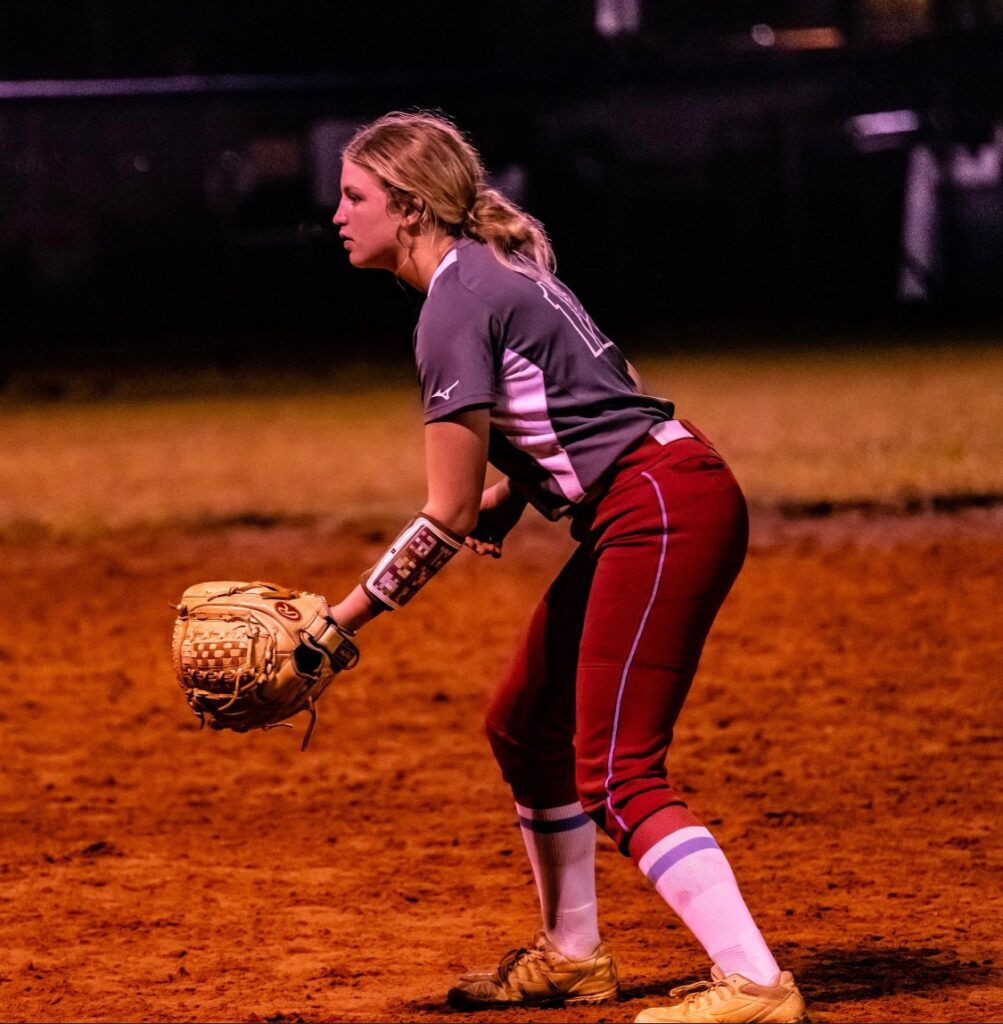
What a Second Baseman Does
Second base is one of the smartest positions on the field.
The second baseman:
- Covers ground
- Turns double plays
- Communicates on cuts and relays
- Covers bunts
- Adjusts positioning constantly
This player must think quickly and move efficiently.
What Type of Player Coaches Want at Second
Most coaches place girls at second who are:
- Quick
- Smart
- Consistent
- Reliable fielders
- Good decision makers
- Team-first players
Second basemen are often overlooked because they may not have the strongest arm or biggest personality. But coaches love players who make routine plays every single inning.
A flashy player is not always the best second baseman.
A steady player usually is.
Why Coaches Put Certain Girls at Second
Sometimes coaches place a player at second because:
- Her arm is not quite strong enough for shortstop
- She has excellent hands
- She makes smart decisions
- She moves well laterally
- She stays calm under pressure
Second base requires trust.
The position handles a lot of tricky plays:
- Double plays
- Slow rollers
- Tags
- Cutoffs
- Bunt coverage
A coach needs someone dependable there.
Shortstop: The Leader of the Infield
What a Shortstop Does
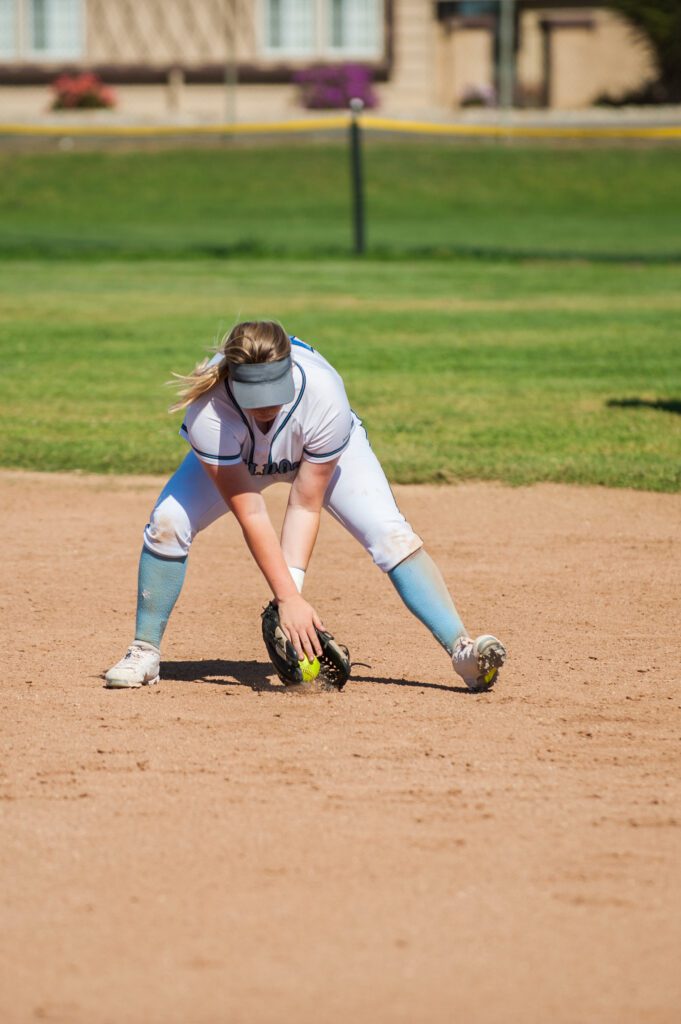
Shortstop is often considered the most athletic position in softball.
This player covers massive amounts of ground and usually handles:
- Hard-hit balls
- Deep throws
- Relay plays
- Double plays
- Defensive leadership
The shortstop is often the captain of the infield.
What Type of Player Coaches Put at Shortstop
Most coaches put their best overall athlete at shortstop.
This player usually has:
- Great speed
- Strong arm
- High softball IQ
- Confidence
- Leadership
- Quick hands
- Fast reactions
The shortstop needs range because she must reach balls many other players cannot.
She also needs arm strength because throws from deep in the hole are difficult.
Why Coaches Put Certain Girls at Shortstop
Coaches put girls at shortstop because they trust them more than anyone else in the infield.
The shortstop is often:
- The best defender
- The best communicator
- The most athletic infielder
- The most aggressive player
- The smartest defensive player
Great shortstops change games.
They save runs that should have scored. They turn impossible plays into outs. They bring confidence to the entire defense.
If a coach moves a player to shortstop, it usually means they believe she is one of the top athletes on the team.
Third Base: The Hot Corner
What a Third Baseman Does
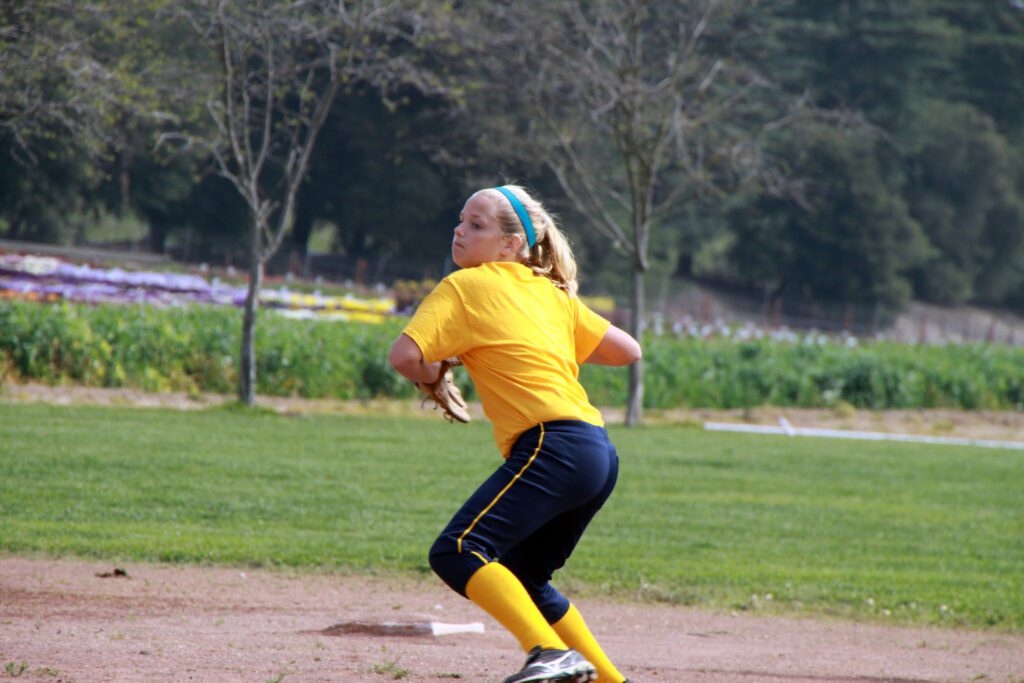
Third base is called “the hot corner” for a reason.
Balls get hit extremely hard there, and the reaction time is tiny.
Third basemen must:
- React instantly
- Field bunts
- Protect the line
- Throw across the diamond
- Stay fearless
This is a position for tough players.
What Type of Player Coaches Put at Third
Coaches usually want third basemen who are:
- Fearless
- Aggressive
- Quick-reacting
- Strong armed
- Competitive
- Mentally tough
Third base players often have big personalities and high energy.
This position is not for timid players.
Why Coaches Put Certain Girls at Third
A coach places girls at third because:
- They react quickly
- They are not scared of hard-hit balls
- They have a strong arm
- They attack the ball aggressively
- They can handle pressure
Third basemen often need confidence bordering on stubbornness.
They cannot hesitate.
If a player flinches or backs away from hard-hit balls, third base becomes difficult very quickly.
That is why coaches love fearless athletes at third.
Pitcher: The Most Important Position in Softball
What a Pitcher Does
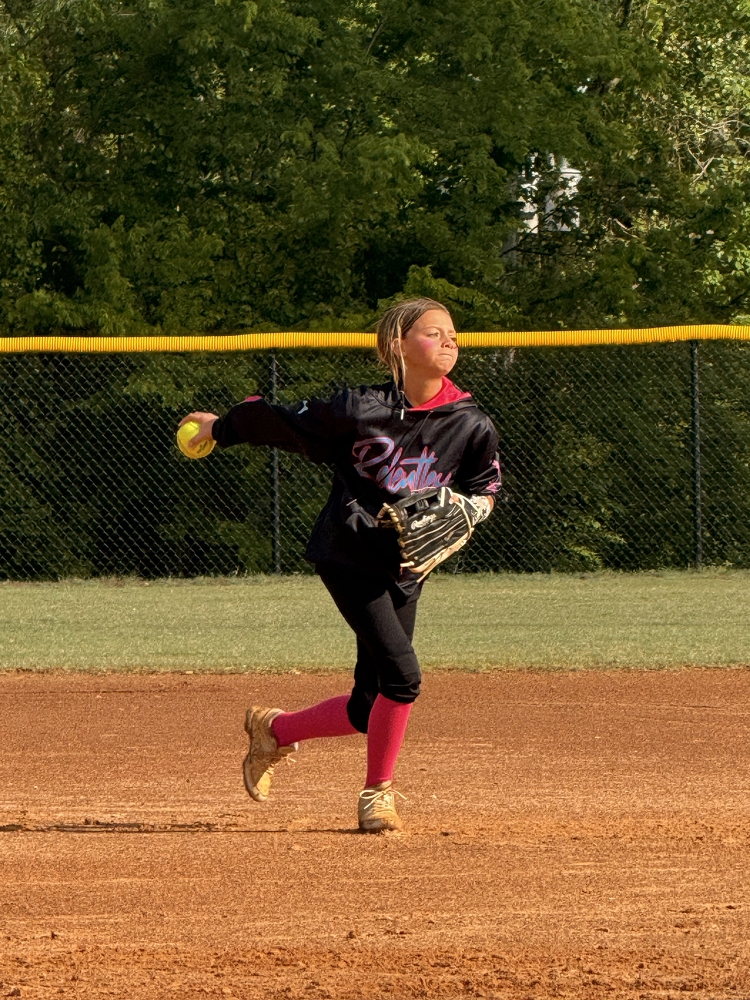
The pitcher controls the game more than anyone else on the field.
She:
- Throws every pitch
- Sets the tempo
- Controls hitters
- Handles pressure constantly
- Leads emotionally
In softball, pitching dominates games far more than in many other sports.
A strong pitcher can carry an entire team.
What Type of Player Coaches Put at Pitcher
Pitchers are usually:
- Mentally tough
- Competitive
- Focused
- Confident
- Athletic
- Emotionally controlled
A pitcher must recover quickly after mistakes.
If she gives up a hit, she cannot fall apart emotionally.
Great pitchers have short memories.
Why Coaches Choose Certain Pitchers
Coaches do not simply choose the girl who throws hardest.
They choose pitchers based on:
- Accuracy
- Movement
- Composure
- Confidence
- Work ethic
- Mental toughness
- Ability to handle pressure
Some girls throw hard but struggle mentally.
Other pitchers stay calm no matter what happens.
Coaches trust the calm competitor.
Pitchers also need leadership. The entire defense feeds off the pitcher’s energy.
If the pitcher looks defeated, the team often follows.
Catcher: The Quarterback of the Team
What a Catcher Does

Catchers control everything.
They:
- Call pitches
- Communicate defenses
- Block balls
- Throw out runners
- Lead the team emotionally
- Encourage pitchers
- Organize the field
A catcher sees the entire game unfold in front of her.
What Type of Player Coaches Put at Catcher
Catchers are usually:
- Vocal leaders
- Tough mentally
- Tough physically
- Smart
- Fearless
- Competitive
- Confident
This position requires leadership more than almost any other spot on the field.
Catchers take foul balls off the body, block pitches in the dirt, and stay locked in every inning.
Not every athlete can handle that pressure.
Why Coaches Put Certain Girls at Catcher
Coaches put girls at catcher because they:
- Lead naturally
- Communicate well
- Handle pressure
- Stay mentally engaged
- Understand the game deeply
A quiet or timid player rarely becomes a high-level catcher.
Catchers must take control.
Many coaches also prefer catchers who:
- Work hard
- Study hitters
- Understand pitchers
- Build trust with teammates
The pitcher-catcher relationship is extremely important.
When those two trust each other, the entire defense becomes stronger.
How Coaches Evaluate Players for Positions
Softball coaches constantly evaluate players during:
- Practice
- Games
- Warmups
- Pressure situations
They look for:
- Athletic ability
- Attitude
- Work ethic
- Communication
- Leadership
- Mental toughness
Sometimes the best athlete is not the best fit for a certain position.
A coach may move a player because:
- She handles pressure better elsewhere
- Her arm fits another position
- Her speed helps more somewhere else
- Her personality matches a position better
Positioning is about maximizing the entire team.
Why Some Girls Get Moved to Different Positions
Young players sometimes get upset when moved.
But position changes are normal.
A coach may move:
- A shortstop to third
- A catcher to first
- A second baseman to outfield
- A pitcher to shortstop
This is not always punishment.
Sometimes it means:
- The team needs balance
- Another player developed
- The coach sees new potential
- The player’s skill set changed
As girls grow, their bodies and athletic abilities change too.
A player who was perfect at shortstop at age 10 may become a dominant first baseman at age 16.
The Importance of Softball IQ
One thing coaches value heavily is softball IQ.
This means:
- Understanding situations
- Knowing where to throw
- Anticipating plays
- Communicating correctly
- Reading hitters and runners
A smart player can overcome average athleticism.
But elite athleticism without softball IQ can hurt a defense.
That is why coaches love players who think the game well.
Communication Builds Great Infields
The best infields are loud.
Players constantly communicate:
- “Two outs!”
- “Inside!”
- “Cut four!”
- “Bunt!”
- “Mine!”
Silence creates mistakes.
Coaches often place vocal leaders in key positions like:
- Catcher
- Shortstop
- Pitcher
These players help organize the defense.
Coaches Build Around Trust
At the end of the day, softball coaches build their infield around trust.
They ask themselves:
- Who can handle pressure?
- Who stays calm?
- Who communicates?
- Who makes routine plays consistently?
- Who competes hard every inning?
Talent matters.
But trust matters more.
Coaches want players who:
- Show up consistently
- Stay mentally tough
- Put the team first
- Keep working even after mistakes
That is how great defenses are built.
Final Thoughts
Every infield position in softball has a purpose.
Coaches do not randomly place players around the diamond. Every position requires a different mix of:
- Athleticism
- Leadership
- Arm strength
- Quickness
- Toughness
- Intelligence
- Confidence
The first baseman saves throws.
The second baseman brings consistency.
The shortstop leads athletically.
The third baseman attacks pressure.
The pitcher controls the game.
The catcher controls the team.
When all six positions work together, a softball defense becomes dangerous.
That is why great coaches spend so much time evaluating players and building the perfect infield.
The best softball teams are not just talented.
They are built with purpose.
Kinley and Johnny at batterlineup.com