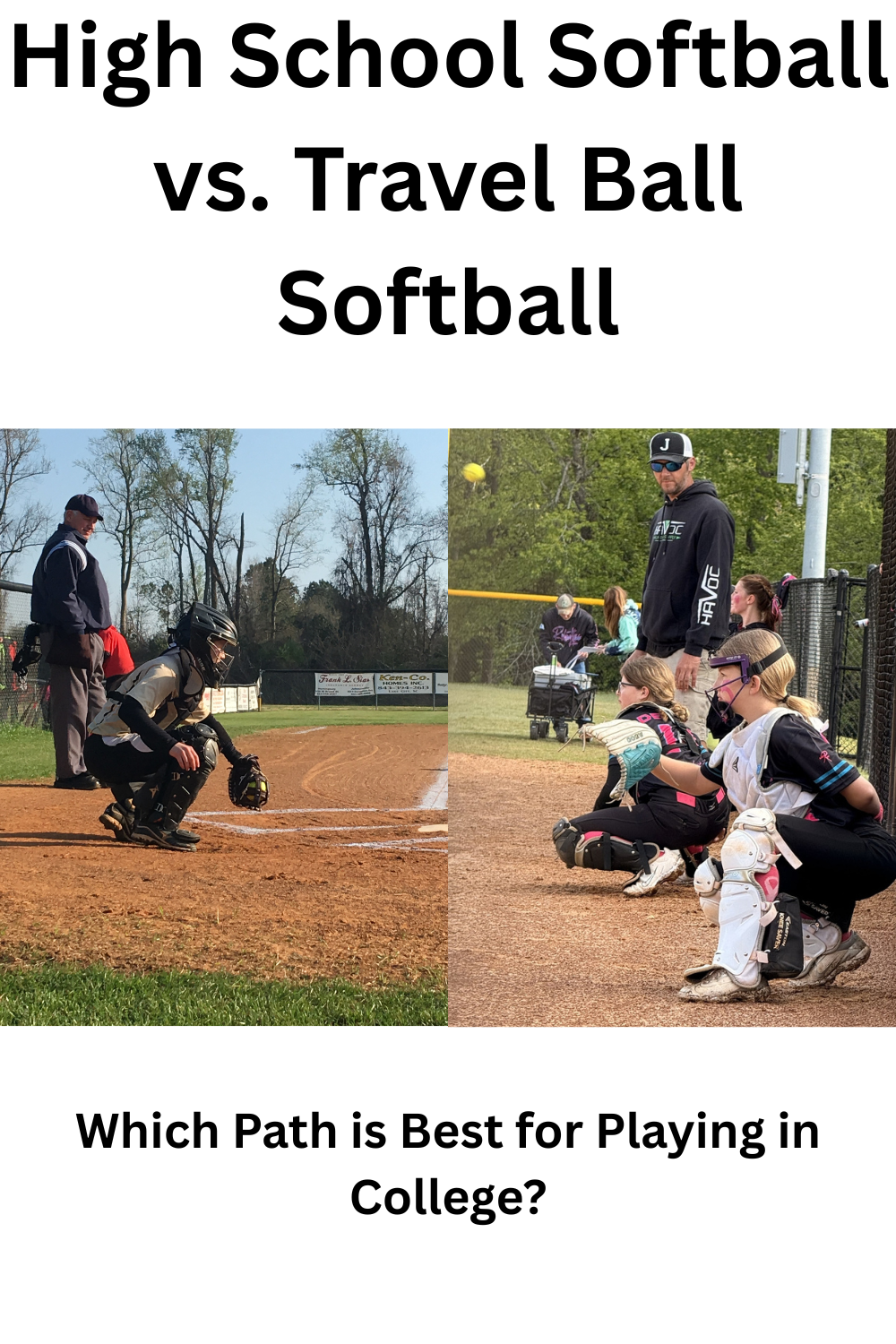
For young athletes with dreams of playing softball at the collegiate level, one of the biggest questions they face is whether to focus on high school softball, travel ball softball, or both. Each path offers unique benefits, challenges, and opportunities for growth. Understanding how they differ—and how they can complement each other—can make a significant impact on a player’s development and exposure to college recruiters.
In this post, we’ll take a deep dive into high school softball and travel ball softball, explore the advantages of each, and ultimately answer the most important question: which one gives you the best chance of playing college softball?
Understanding High School Softball
High school softball is often where players first experience structured team competition under school representation. It’s played during a set season, typically in the spring, and brings together athletes from the same school or district.
Benefits of High School Softball
1. School Pride and Community Support
One of the most rewarding aspects of high school softball is representing your school. Playing in front of classmates, teachers, and local fans builds a strong sense of pride and belonging. The energy from the crowd and the support system around you can create unforgettable experiences.
2. Team Bonding and Chemistry
Because high school teams practice and play together regularly during the season, players often develop strong relationships. These bonds can lead to better on-field chemistry and communication, which are essential for team success.
3. Coaching and Structure
High school programs typically provide consistent coaching and structured practices. While the level of coaching can vary depending on the school, many programs emphasize fundamentals, discipline, and teamwork.
4. Leadership Opportunities
High school teams often allow players to grow into leadership roles. Whether you’re a team captain or a vocal presence in the dugout, these opportunities help develop confidence and leadership skills that are valuable both on and off the field.
5. Balanced Schedule
High school softball usually has a more manageable schedule compared to travel ball. This allows players to balance academics, social life, and other extracurricular activities.
6. Recognition and Awards
Players can earn school honors, all-region selections, and even state-level recognition. These achievements can be meaningful additions to a player’s athletic résumé.
Limitations of High School Softball
While high school softball offers many benefits, it also has some limitations, especially for players aiming to compete at the college level.
- Short Season: The season is relatively brief, limiting the number of games and opportunities to improve.
- Limited Exposure: College recruiters rarely attend regular high school games.
- Variable Competition Level: Depending on the region, the level of competition may not be as high as travel ball.
Understanding Travel Ball Softball
Travel ball softball, also known as club softball, is a more competitive and year-round commitment. Players join independent teams that compete in tournaments across local, regional, and national levels.
Benefits of Travel Ball Softball
1. Increased Exposure to College Recruiters
One of the biggest advantages of travel ball is visibility. Many tournaments are specifically designed to attract college scouts and coaches. Showcases, in particular, are key events where athletes can demonstrate their skills in front of recruiters.
2. Higher Level of Competition
Travel ball teams often consist of top players from various schools and areas. This creates a more competitive environment that pushes athletes to improve faster.
3. More Games and Repetitions
Travel ball offers significantly more playing time throughout the year. With frequent tournaments, players get more at-bats, innings, and real-game experience.
4. Specialized Coaching
Many travel ball coaches have advanced experience, including former college or professional players. They often focus on skill development, advanced strategies, and position-specific training.
5. Flexibility in Team Selection
Players can choose teams that match their skill level and goals. This allows them to seek out better competition or more exposure depending on their needs.
6. Networking Opportunities
Travel ball connects players with a broader softball community. Relationships with coaches, teammates, and recruiters can open doors to future opportunities.
Challenges of Travel Ball Softball
Despite its advantages, travel ball also comes with challenges:
- Cost: Travel ball can be expensive, with fees for tournaments, travel, uniforms, and coaching.
- Time Commitment: The schedule can be demanding, often requiring weekend travel and year-round participation.
- Pressure: The competitive nature can be intense, which may lead to burnout if not managed properly.
Key Differences Between High School and Travel Ball
Understanding the differences between these two paths can help athletes and parents make informed decisions.
1. Season Length
- High School: Short, seasonal (spring)
- Travel Ball: Year-round or extended seasons
2. Exposure
- High School: Limited recruiter presence
- Travel Ball: High visibility at showcases and tournaments
3. Competition Level
- High School: Varies by region
- Travel Ball: Generally higher and more consistent
4. Cost
- High School: Typically low or included with school fees
- Travel Ball: Can be expensive
5. Commitment
- High School: Moderate
- Travel Ball: High
Which One Helps More for College Softball?
If your goal is to play college softball, travel ball is generally the more effective path. Here’s why:
1. College Recruiting Happens at Travel Ball Events
Most college coaches spend their time recruiting at travel ball tournaments and showcases. These events gather top talent in one place, making it easier for recruiters to evaluate players.
2. Better Competition Prepares You for the Next Level
Playing against stronger opponents helps athletes develop the skills and mental toughness needed for college softball.
3. More Opportunities to Be Seen
With multiple tournaments and showcases, players have more chances to perform in front of college coaches.
4. Skill Development
Travel ball often emphasizes advanced training and development, which is critical for competing at the collegiate level.
Why High School Softball Still Matters
Even though travel ball is crucial for recruiting, high school softball still plays an important role in a player’s journey.
1. Builds Character and Leadership
High school teams provide opportunities to lead, mentor younger players, and grow as a person.
2. Keeps the Game Fun
Playing with friends and representing your school can remind athletes why they love the game.
3. Adds to Your Athletic Profile
Statistics, awards, and achievements from high school seasons can still support your recruiting profile.
4. Game Experience
High school games still offer valuable in-game situations that help players improve.
The Best Approach: Doing Both
For most athletes, the best path is not choosing one over the other—but combining both experiences.
How They Complement Each Other
- High School Softball provides team experience, leadership, and community connection.
- Travel Ball Softball provides exposure, competition, and advanced development.
By participating in both, players can maximize their growth and opportunities.
Tips for Athletes Wanting to Play College Softball
1. Start Early
Begin playing travel ball as early as possible to gain experience and exposure.
2. Attend Showcases
Participate in events where college coaches are actively recruiting.
3. Build a Recruiting Profile
Create highlight videos, maintain stats, and communicate with college coaches.
4. Focus on Academics
Grades matter. Strong academic performance can open more opportunities.
5. Take Care of Your Body
Avoid burnout by balancing training, rest, and recovery.
6. Choose the Right Team
Find a travel ball team that aligns with your goals and offers good coaching and exposure.
Final Thoughts
Both high school softball and travel ball softball offer valuable experiences that contribute to a player’s growth. High school softball builds character, teamwork, and community pride, while travel ball provides the exposure and competition necessary to reach the collegiate level.
If your ultimate goal is to play college softball, travel ball will likely play the most significant role in getting you noticed by recruiters. However, high school softball should not be overlooked—it adds depth to your experience and helps shape you as both an athlete and a person.
In the end, the most successful players are those who take advantage of both opportunities, work hard, stay dedicated, and never lose their passion for the game.
Whether you’re stepping onto the field in your school colors or traveling across the country for a tournament, every inning is a chance to grow, improve, and chase your dream of playing softball at the next level.